White Patterns: A Strategic Tool for Creativity, Planning, and Branding
In the world of design, branding, and creative projects, White Patterns offer more than just aesthetic appeal—they serve as a foundational element in crafting cohesive visual identities. Whether you're an entrepreneur launching a new product line, a designer working on a client project, or a hobbyist looking to elevate your craft, understanding how to leverage White Patterns can significantly enhance your workflow and outcomes.
The Strategic Value of White Patterns
White Patterns are not merely decorative elements; they are strategic tools that support clarity, focus, and consistency across various applications. In a digital age where visual content is king, having access to high-quality, versatile White Patterns can streamline your creative process and ensure that your messaging remains aligned with your brand's identity.
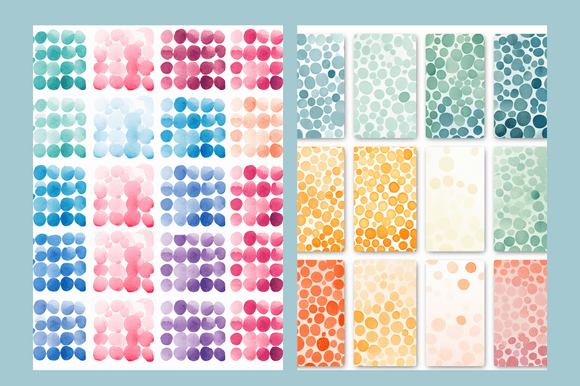
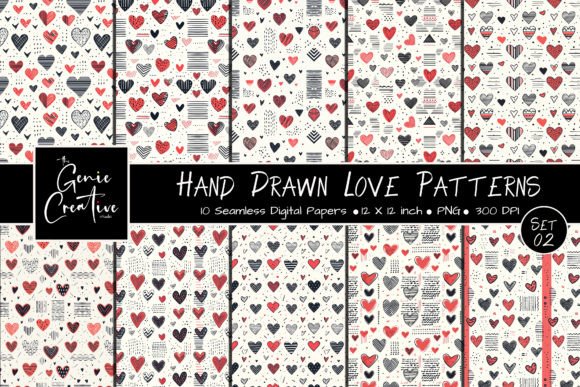
These patterns are designed to be flexible, adaptable, and scalable. They come in a range of styles—from abstract and watercolor-inspired designs to vintage and kawaii aesthetics—making them suitable for a wide array of uses. The inclusion of 12 Digital Papers within a single zip file allows users to quickly access and integrate these assets into their projects without the need for additional downloads or purchases.
Why Choose White Patterns?
One of the primary reasons to choose White Patterns is their versatility. These patterns are ideal for use in print-on-demand services, scrapbooking, greeting card design, stationery creation, and even wall art. Their high-resolution format ensures that they maintain quality whether printed on paper or displayed digitally.
Additionally, White Patterns can play a crucial role in branding and positioning. By using consistent visual elements across all touchpoints, businesses can reinforce their brand identity and create a more memorable experience for customers. This is especially important in industries where first impressions matter, such as marketing, publishing, and small business operations.
When to Use White Patterns
The thoughtful application of White Patterns depends on your specific goals and context. For instance:
- For planners and organizers: Incorporating White Patterns into your planner design can help differentiate sections, highlight key information, and provide a visually appealing layout.
- For marketers and content creators: Using White Patterns as background elements in social media posts, email templates, or website banners can enhance the overall aesthetic while maintaining a clean, professional look.
- For educators and professionals: White Patterns can be used to create engaging presentations, infographics, or educational materials that are both informative and visually stimulating.
- For hobbyists and DIY enthusiasts: These patterns are perfect for personal projects such as stickers, scrapbook decorations, and custom packaging, allowing for creative expression without the need for expensive materials.
By considering your target audience and the purpose of your project, you can determine the most effective way to incorporate White Patterns into your work.
How to Approach White Patterns Intentionally
While White Patterns are incredibly useful, it's essential to approach their use with intention. Randomly applying patterns without considering their impact can lead to cluttered designs and diminished effectiveness. Instead, consider the following strategies:
- Define your goals: Before selecting a pattern, ask yourself what outcome you want to achieve. Are you trying to create a sense of calm, evoke nostalgia, or add a modern twist? Aligning your choice of pattern with your objectives will help ensure that it serves its intended purpose.
- Test different variations: Experiment with various White Patterns to see which ones best complement your design. Sometimes, a subtle pattern can make a significant difference in the overall look and feel of a project.
- Consider color theory: While White Patterns are often used as backgrounds, they can also be used to accentuate other colors in your design. Understanding how colors interact with each other can help you create more harmonious and effective compositions.
- Ensure consistency: If you're using White Patterns across multiple platforms or materials, maintaining consistency in their application will help reinforce your brand identity and create a more cohesive user experience.
Potential Risks and Considerations
While White Patterns offer numerous benefits, there are also potential risks associated with their misuse. One of the most common issues is overuse. Applying too many patterns in a single design can lead to visual overload, making it difficult for the audience to focus on the main message.
Another consideration is the context in which White Patterns are used. For example, a pattern that works well for a casual greeting card may not be appropriate for a formal business presentation. It's important to assess the tone and purpose of your project before deciding on a pattern.
Additionally, White Patterns should be used in conjunction with other design elements rather than as a standalone solution. While they can enhance the visual appeal of a project, they should not replace thoughtful design principles such as typography, spacing, and alignment.
Practical Examples and Use Cases
To illustrate how White Patterns can be applied in real-world scenarios, consider the following examples:
- Gift Wrapping: Using a White Pattern as a background for gift tags or wrapping paper can add a unique touch to your packaging while keeping it simple and elegant.
- Invitations: Incorporating a subtle White Pattern into event invitations can create a more personalized and visually appealing experience for guests.
- Wall Art: White Patterns can be used to create custom wall art that complements your home decor or office space.
- Acrylic Tumbler Wrapping: Adding a White Pattern to a tumbler can transform it into a statement piece that reflects your personal style or brand identity.
These examples demonstrate how White Patterns can be integrated into everyday tasks and creative projects, providing both functional and aesthetic value.
Conclusion
In conclusion, White Patterns are more than just visual elements—they are strategic tools that can enhance creativity, improve communication, and support long-term goals. By understanding when and how to use them effectively, you can unlock new possibilities in your design work and achieve better results in your projects.
Whether you're a seasoned designer or a beginner exploring the world of creative content, White Patterns offer a valuable resource that can help you stand out in a competitive market. With careful planning and intentional use, they can become an essential part of your toolkit for success.