Islamic Mandalas: Complex Patterns with Spiritual and Artistic Depth
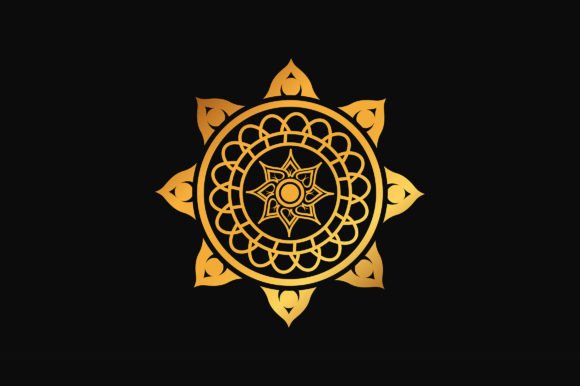
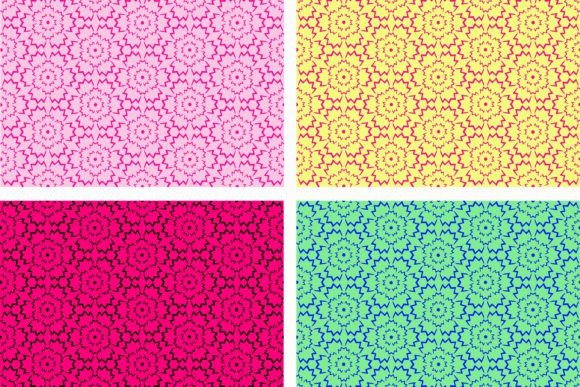
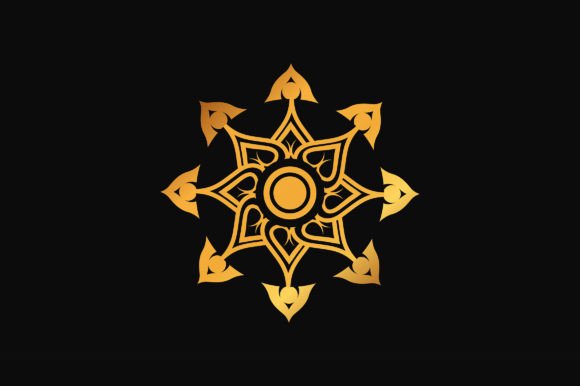
Islamic Mandalas are intricate designs that combine the timeless beauty of traditional Islamic art with the meditative essence of mandalas. These complex patterns are not just visually stunning; they also carry deep spiritual significance and are often used in both decorative and symbolic contexts. The term "mandala" originates from Sanskrit, meaning "circle," and it represents a symbolic representation of the universe. In Islamic culture, these designs are often inspired by geometric patterns, calligraphy, and architectural motifs found in mosques, palaces, and manuscripts.
Why Are Islamic Mandalas Attractive to Artists and Designers?
There are several reasons why individuals might be drawn to Islamic Mandalas. First, their intricate and symmetrical nature offers a unique aesthetic appeal. These patterns are created through the repetition of shapes and lines, which creates a sense of harmony and balance. This makes them ideal for use in various creative fields such as graphic design, interior decoration, and textile arts.
Second, Islamic Mandalas are deeply rooted in cultural and religious traditions. They reflect the Islamic emphasis on order, unity, and the infinite nature of creation. For those interested in exploring the intersection of spirituality and art, these designs provide a meaningful way to engage with Islamic heritage.
Additionally, the availability of Islamic Mandalas in multiple formats—such as AI, EPS, SVG, PNG, and JPG—makes them highly versatile. Whether you're working on a digital project or a physical artwork, these files can be easily edited and adapted to suit different platforms and mediums.
Benefits of Using Islamic Mandalas in Creative Projects
- Visual Impact: The complexity and symmetry of Islamic Mandalas make them stand out in any design context.
- Cultural Significance: These patterns offer a rich cultural narrative that can add depth and meaning to your work.
- Design Flexibility: With access to various file formats, designers can easily integrate these elements into their projects.
- Symbolic Value: Many Islamic Mandalas are used to convey spiritual concepts, making them suitable for both artistic and educational purposes.
Considerations and Tradeoffs
While Islamic Mandalas offer many benefits, there are also some considerations to keep in mind. One potential challenge is the level of detail involved in these patterns. Due to their complexity, creating or modifying them may require specialized software or expertise. Additionally, the cultural sensitivity surrounding these designs should not be overlooked. It's important to approach these patterns with respect and understanding of their historical and spiritual significance.
Another consideration is the time and effort required to incorporate these patterns into a project. Depending on the scale and intricacy of the design, the process can be quite labor-intensive. However, this effort often results in a more refined and impactful final product.
When Are Islamic Mandalas a Strong Fit?
Islamic Mandalas are particularly well-suited for projects that emphasize visual elegance, cultural depth, and symbolic meaning. They are ideal for use in:
- Graphic Design: Logos, branding materials, and digital illustrations can benefit from the intricate details of these patterns.
- Interior Design: These designs can be incorporated into wall art, floor tiles, and decorative elements to create a cohesive and spiritually resonant environment.
- Textile Arts: Islamic Mandalas can be used in fabric patterns, embroidery, and other textile-based projects.
- Art Education: They serve as excellent tools for teaching geometry, symmetry, and cultural appreciation.
Alternatives to Consider
While Islamic Mandalas are a powerful choice, there are alternative design styles that may be worth considering depending on the project’s goals. For example:
- Modern Minimalist Designs: If simplicity and clean lines are preferred, minimalist patterns may offer a more straightforward aesthetic.
- Abstract Art: For those looking for a more contemporary and expressive style, abstract art provides a wide range of creative possibilities.
- Western Mandalas: These are often based on Hindu and Buddhist traditions and may offer a different cultural perspective.
Each of these alternatives has its own strengths and limitations, so it's important to evaluate which one best aligns with your creative vision and objectives.
Practical Insights for Decision-Making
When deciding whether to use Islamic Mandalas, consider the following practical insights:
- Define Your Goals: Are you aiming for cultural authenticity, visual impact, or educational value? This will help determine the most appropriate design choice.
- Evaluate Your Skills: Ensure that you have the necessary tools and knowledge to effectively use and modify these patterns.
- Respect Cultural Context: Always approach these designs with an awareness of their cultural and spiritual significance.
- Test and Refine: Experiment with different formats and applications to see how well the patterns fit your project.
By carefully evaluating these factors, you can make an informed decision about whether Islamic Mandalas are the right choice for your creative endeavors.